A Concept That Reframed How Effort Is Understood
Exercise science has long relied on instruments that translate human effort into numbers. Heart rate monitors, metabolic carts, lactate analyzers, and power meters each attempt to quantify strain through physiological or mechanical signals. Yet long before wearable sensors became widespread, researchers recognized that athletes already possessed an internal measurement tool: perception.
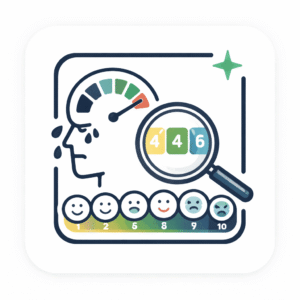
The concept of Rating of Perceived Exertion, widely abbreviated as RPE, formalized that intuition. It proposed that how hard exercise feels can be measured systematically and used to guide training decisions with surprising reliability. Understanding what is RPE requires tracing its scientific origins, examining how it functions, and evaluating why subjective effort remains relevant in an era dominated by objective data.
Historical Foundations of Perceived Exertion
The modern understanding of perceived exertion originates with Gunnar Borg, a Swedish psychologist and physiologist whose research in the mid-20th century challenged prevailing assumptions about effort measurement. Borg questioned whether physiological metrics alone captured the lived experience of physical work.
In his foundational work, Borg defined perceived exertion as “the feeling of how heavy, strenuous and laborious exercise is.” This definition, published in peer-reviewed literature, established perception as a measurable construct rather than a vague sensation.
https://journals.lww.com
Borg’s insight was not philosophical; it was empirical. He demonstrated consistent relationships between subjective ratings and objective markers such as heart rate, oxygen consumption, and blood lactate across varied exercise intensities.
The Structure of the Borg Scale
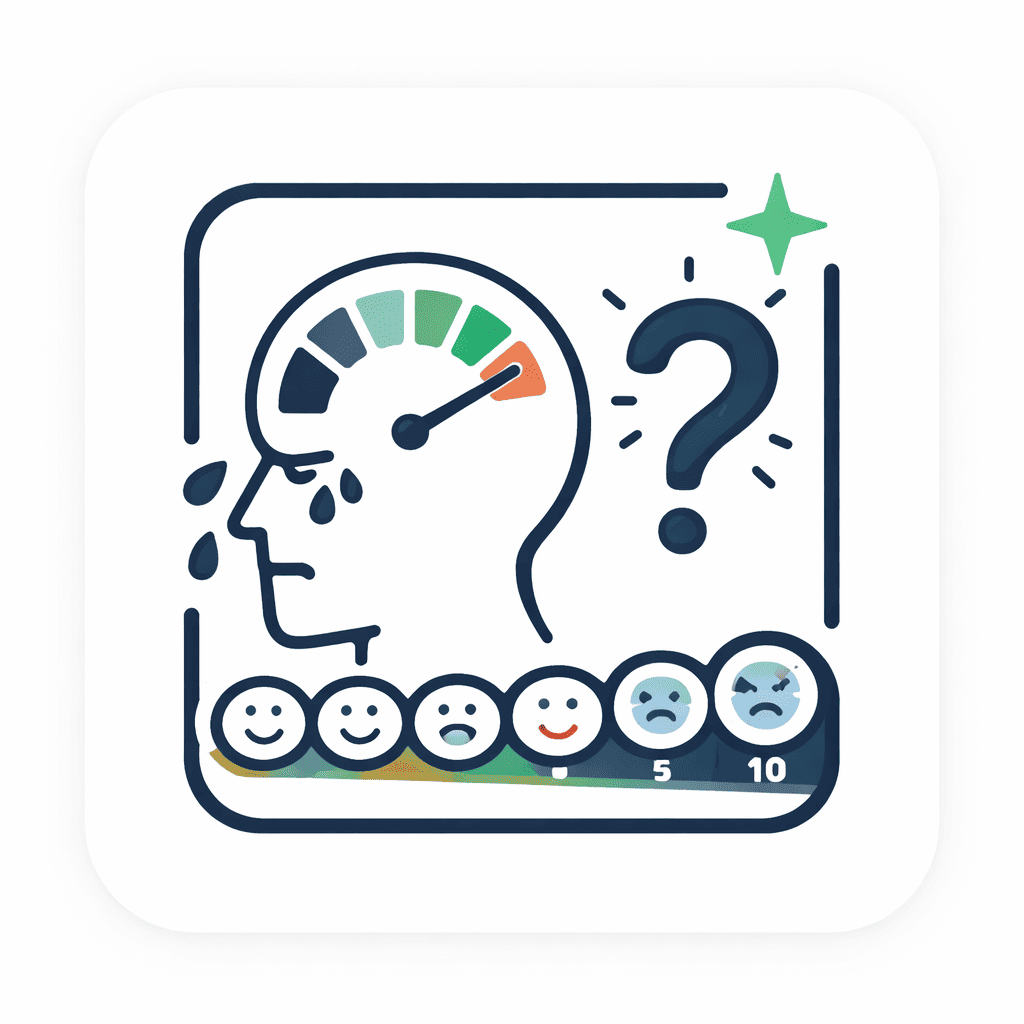
Borg’s most influential contribution was the creation of a standardized numerical scale. The original Borg scale ranges from 6 to 20, an unconventional choice that served a specific purpose. Multiplying the RPE value by 10 roughly approximates heart rate in beats per minute for healthy adults during steady-state exercise.
Key anchor points include:
- 6: no exertion at all
- 9: very light
- 13: somewhat hard
- 17: very hard
- 20: maximal exertion
Borg noted that “perceived exertion is strongly related to heart rate, oxygen uptake, and blood lactate.”
https://journals.lww.com
This alignment allowed the scale to bridge subjective sensation and physiological response, enabling validation across laboratory and field settings.
What RPE Measures and What It Does Not
RPE does not measure output, speed, or workload. It measures internal strain as perceived by the individual. That distinction matters. Perception integrates multiple signals simultaneously, including respiratory stress, muscular fatigue, cardiovascular demand, and psychological load.
This integration explains why RPE often reflects overall difficulty more accurately than single-variable metrics. A review in Sports Medicine reported that perceived exertion captures combined central and peripheral fatigue rather than isolated physiological stress.
https://link.springer.com
RPE therefore functions as a summary metric, synthesizing inputs that would otherwise require multiple sensors to observe independently.
Variants of the RPE Scale
Although the 6–20 scale remains foundational, adaptations emerged to improve usability in applied settings. The Borg CR10 scale compresses ratings into a 0–10 range with descriptive anchors. This version gained traction in strength training, rehabilitation, and high-intensity interval protocols.
Despite numerical differences, the underlying construct remains consistent: subjective assessment anchored to standardized descriptors.
Modern applications frequently integrate RPE input into software platforms or a rate of perceived exertion calculator, translating self-reported effort into training zones or session load estimates.
Reliability of Perceived Exertion
Skepticism toward subjective metrics often centers on reliability. Research evidence addresses this directly. Numerous studies demonstrate strong correlations between RPE and physiological variables under controlled conditions.
A meta-analysis in Journal of Strength and Conditioning Research reported correlation coefficients between RPE and heart rate ranging from 0.80 to 0.90 during steady-state endurance exercise.
https://journals.lww.com
Similar relationships appear with oxygen uptake and lactate concentration, particularly after familiarization with the scale. These findings support the premise that perceived exertion reliability improves with education and repeated use.
RPE Versus Heart Rate
The comparison between RPE and heart rate illustrates complementary strengths rather than competition. Heart rate offers objective measurement yet responds slowly to rapid intensity changes and drifts under heat, dehydration, or fatigue.
RPE responds immediately. Research in European Journal of Applied Physiology showed that perceived exertion adjusted more rapidly than heart rate during interval transitions and environmental stress.
https://link.springer.com
This responsiveness explains why many coaches combine RPE with heart rate monitoring rather than selecting one exclusively.
RPE in Endurance Training
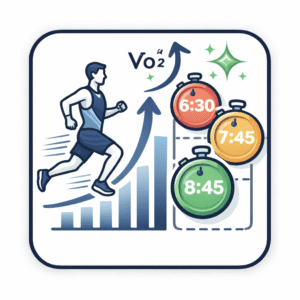
Endurance athletes use RPE to regulate intensity across long durations. Training plans often prescribe effort levels rather than pace, particularly on variable terrain or in adverse conditions.
Typical endurance anchors include:
- RPE 2–3: easy aerobic running
- RPE 4–5: steady endurance
- RPE 6–7: threshold intensity
- RPE 8–9: high-intensity intervals
These ranges allow athletes to adjust pace while maintaining intended physiological stress, supporting consistency across sessions.
RPE in Strength and Power Training
Strength training adopts RPE differently. Here, RPE often reflects proximity to muscular failure rather than cardiovascular strain. An RPE of 8 may indicate two repetitions remaining in reserve.
Research in Sports Medicine found that RPE-based load prescription produced strength gains comparable to percentage-based methods while allowing autoregulation.
https://link.springer.com
This adaptability reduces injury risk during fluctuating readiness, particularly in high-volume training phases.
Psychological Dimensions of RPE
RPE captures psychological strain absent from mechanical metrics. Sleep deprivation, emotional stress, and cognitive fatigue elevate perceived exertion even when output remains unchanged.
This sensitivity allows RPE to function as an early warning indicator. Coaches often observe rising RPE at constant workloads preceding performance decline or illness.
Borg emphasized this holistic quality, stating that perceived exertion reflects “the total amount of stress experienced by the individual.”
https://journals.lww.com
RPE Calculators and Digital Translation
An rpe calculator does not measure effort; it interprets reported values. Users input perceived exertion, and the calculator estimates related variables such as training intensity, session load, or approximate percentage of maximal effort.
Some platforms compute session load by multiplying RPE by duration, a method validated in team sports research. This approach links internal load with external volume, improving workload management.
The value of a rate of perceived exertion calculator lies in standardization. It transforms qualitative input into consistent quantitative tracking without replacing subjective judgment.
Limitations and Sources of Bias
RPE remains vulnerable to distortion. Factors influencing reporting include motivation, social context, competitive pressure, and misunderstanding of scale anchors.
Education mitigates these effects. Studies show improved accuracy after structured familiarization periods. A longitudinal study in International Journal of Sports Physiology and Performance reported reduced variability in RPE reporting after several weeks of consistent use.
https://journals.humankinetics.com
An RPE calculator cannot correct inaccurate input; it can only process what the user provides.
Clinical and Rehabilitation Applications
Clinical exercise programs often rely on RPE when heart rate monitoring proves unreliable, such as in patients taking beta-blockers. The American College of Sports Medicine endorses RPE for intensity prescription in such populations.
https://www.acsm.org
This endorsement reflects confidence in perceived exertion reliability when appropriately guided.
Practical Guidelines for Using RPE
Effective application follows several principles:
- Educate users on scale anchors
- Encourage honest reporting without comparison
- Combine RPE with objective metrics
- Track trends rather than isolated values
Consistency over time matters more than numerical precision on any single day.
Final Considerations
Understanding what is RPE requires recognizing perception as an integrative signal rather than a subjective flaw. Perceived exertion synthesizes physiological, mechanical, and psychological inputs into a single, actionable metric.
An rpe calculator or rate of perceived exertion calculator provides structure, not authority. Its usefulness depends on education, consistency, and contextual judgment. When applied thoughtfully, RPE remains a reliable framework for guiding training decisions in settings where numbers alone fail to tell the full story.